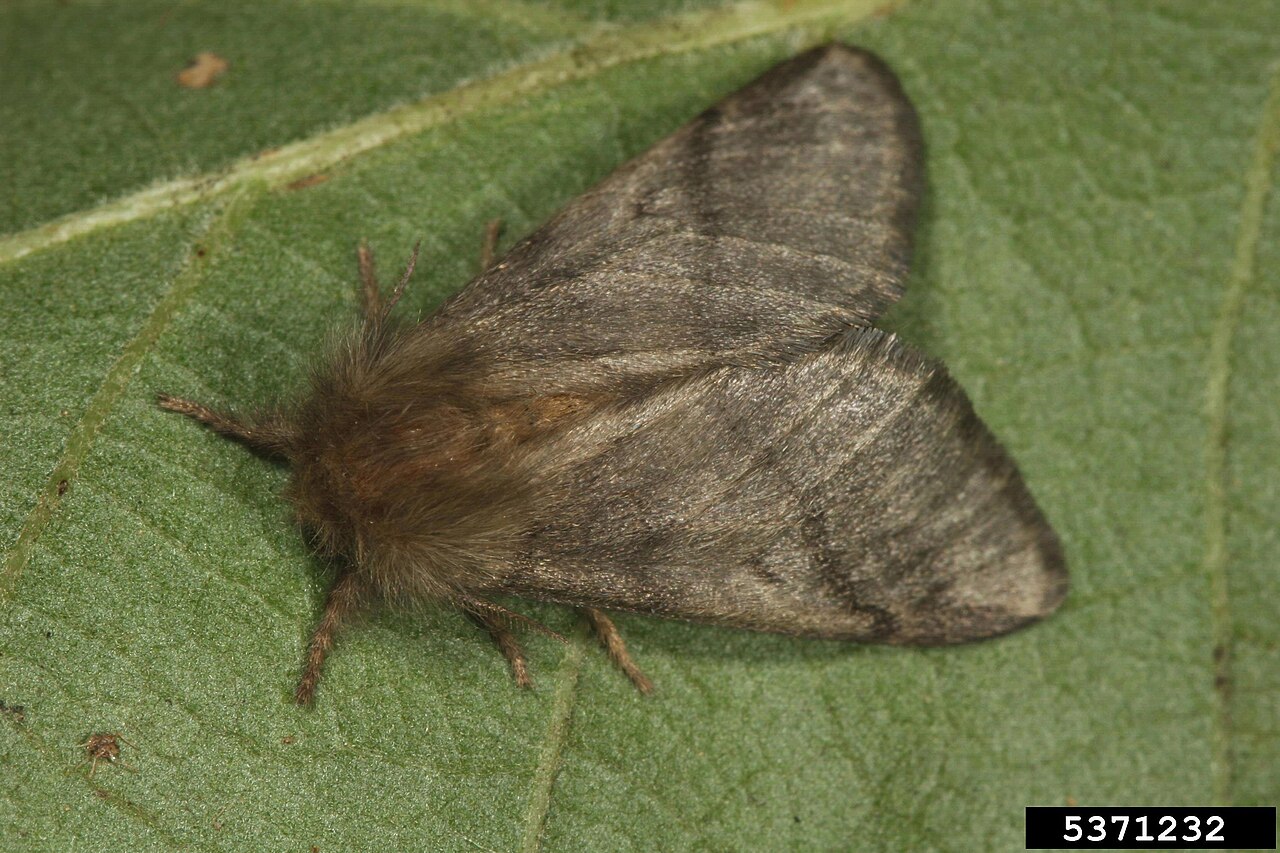
Mild Winters & Dry Weather: Boosting Eichenprozessionsspinner Activity in Germany
The gentle sway of oak branches, the rustling of leaves – these are the familiar sounds of German forests and parks. Yet, beneath this tranquil facade, a growing threat lurks: the Eichenprozessionsspinner (EPS), or Oak Processionary Moth. This nocturnal insect, once primarily a Southern European species, has steadily tightened its grip on Germany since the 1990s. Its expansion is not a mere coincidence but a stark indicator of changing environmental conditions, particularly the prevalence of milder winters and increasingly dry weather. Understanding these climatic influences is crucial to grasping why these dangerous caterpillars are becoming more prevalent and, importantly, to answer the critical question: Eichenprozessionsspinner wann aktiv? When are they most active and posing the greatest risk?
The caterpillars of the Eichenprozessionsspinner are notorious for their urticating hairs, which contain a nettle toxin. Contact with these microscopic bristles can trigger a range of allergic reactions in humans and animals, from intense itching and skin rashes to severe respiratory irritation and even allergic shock. As Germany grapples with the ramifications of global warming, the Eichenprozessionsspinner stands out as a clear and present danger to public health and biodiversity, necessitating increased awareness and proactive management strategies.
The Climate Connection: How Mild Winters Fuel EPS Populations
The Eichenprozessionsspinner's lifecycle is intricately linked to ambient temperatures. Historically, colder, longer winters in Central Europe served as a natural barrier, limiting the survival rates of eggs and newly hatched larvae. However, the trend of increasingly mild winters, exemplified by those experienced in 2019 and 2020, has significantly altered this ecological balance. These warmer conditions create an almost ideal environment for the moth's proliferation.
- Higher Egg Survival Rates: During colder winters, a significant percentage of Eichenprozessionsspinner eggs laid in autumn would perish due to frost and prolonged low temperatures. Milder winters mean more eggs successfully overwinter, leading to a larger initial population of larvae in spring.
- Earlier Hatching and Development: Warmer spring temperatures following mild winters can trigger earlier hatching of eggs. This gives the caterpillars a longer feeding period, allowing them to grow larger, develop faster, and potentially complete their larval stages earlier, increasing their chances of successful pupation and reproduction.
- Reduced Natural Predation: While research is ongoing, some studies suggest that mild winters might also disrupt the synchronized cycles of the EPS's natural predators, giving the caterpillars a temporary advantage.
This enhanced survival and accelerated development directly contribute to the observed "mass reproduction" phenomena across various German states. The sheer numbers of caterpillars, each bearing thousands of hazardous hairs, escalate the risk dramatically, especially in areas frequented by people and pets.
Dry Weather: Another Catalyst for Eichenprozessionsspinner Proliferation
Beyond mild winters, periods of prolonged dry weather also play a crucial role in boosting Eichenprozessionsspinner activity and spread. While not as immediately intuitive as the impact of mild temperatures, dry conditions offer several advantages to the pest:
- Reduced Fungal Diseases: Humid conditions can foster the growth of entomopathogenic fungi, which naturally infect and kill insect larvae. Dry weather suppresses these natural biological controls, allowing a higher percentage of caterpillars to survive to maturity.
- Improved Foraging Conditions: Dry, warm weather can encourage robust leaf growth on oak trees, providing an abundant food source for the caterpillars. Conversely, excessively wet conditions might make leaves less palatable or hinder larval movement.
- Enhanced Moth Activity: Adult Eichenprozessionsspinner moths are nocturnal. Warm, dry nights are generally more favorable for their flight, mating, and egg-laying activities. This can lead to more successful reproduction and further population growth in subsequent generations.
The combination of these climatic factors – mild winters and dry summers – creates a synergistic effect, providing the Eichenprozessionsspinner with a nearly perfect storm for unchecked growth and expansion. This makes understanding Eichenprozessionsspinner wann aktiv more critical than ever, as their presence becomes more widespread and prolonged throughout the year.
Geographic Spread and Eichenprozessionsspinner Wann Aktiv: Unmasking the Risk
Originally hailing from Southern Europe, the Eichenprozessionsspinner has, since the 1990s, successfully colonized all German federal states. Its preferred habitats are oak forests, as well as pine forests with a significant oak presence. However, their adaptability means they are increasingly found on individual oak trees along roadsides, in urban parks, and even in residential gardens, bringing them into closer proximity with human populations. The highest concentrations tend to be in the Northeast of Germany and North Rhine-Westphalia, areas where the aforementioned climatic conditions have been particularly conducive to their spread.
Understanding the Eichenprozessionsspinner's Activity Calendar: Wann Aktiv?
To effectively mitigate risks, it's essential to know precisely Eichenprozessionsspinner wann aktiv. The danger isn't confined to a short period but extends across several months due to different life stages:
- Egg Stage (August - April): Female moths lay between 100 to 200 eggs in late summer, primarily on the thinner branches of oak trees. These eggs overwinter, often camouflaged by bark. While direct contact risk is low, these are the foundation for the next year's infestations.
- Larval Stage - Early Instars (April - May): With the onset of warmer spring temperatures, typically from late April to early May, the eggs hatch. The young caterpillars are initially small and light-colored. At this stage, their urticating hairs are still developing, but caution is advised.
- Larval Stage - Mature Caterpillars (May - July): This is the peak danger period. From May into July, the caterpillars grow rapidly, undergoing several molts. With each molt, they develop more and more of their notorious venomous hairs. They congregate in characteristic "processions" to forage, often creating large, silken nests (gespinste) on tree trunks and branches. These nests are packed with shed skins and thousands of dangerous hairs. This is the period when most direct contact incidents occur. For a detailed seasonal breakdown, you might find our article Eichenprozessionsspinner Seasons: Unmasking Caterpillar Presence & Risk highly informative.
- Pupation (June - July): Once fully grown, the caterpillars retreat into their silken nests to pupate, transforming into moths. Even during this stage, the nests and the surrounding environment remain highly hazardous due to the shed hairs.
- Moth Stage (July - August): Adult moths emerge from the pupae. These moths are relatively harmless themselves as they lack the urticating hairs, but their flight period signifies the laying of new eggs, perpetuating the cycle for the next year.
It's crucial to understand that even after the caterpillars have molted or pupated, the shed skins, empty pupal casings, and the abandoned nests retain their potent urticating hairs. These hairs can be carried by wind over considerable distances, remaining a health hazard for several years. This means the risk isn't just about direct contact with live caterpillars; it's about the lingering presence of their dangerous hairs in the environment. To delve deeper into this persistent threat, read our article Eichenprozessionsspinner: When Do Their Hairs Pose a Threat?
Protecting Yourself and Nature: Practical Tips and Prevention
Given the increasing activity of Eichenprozessionsspinner, proactive measures are vital:
- Recognize and Avoid: Learn to identify the caterpillars, their distinctive processionary behavior, and their silken nests. If you spot them, maintain a safe distance and warn others.
- Protective Clothing: If you must enter an infested area (e.g., for work), wear long-sleeved clothing, long trousers, gloves, and protective eyewear to minimize skin exposure.
- Report Sightings: Inform your local municipality or public health office about any Eichenprozessionsspinner nests you discover, especially in public areas. Do not attempt to remove them yourself.
- Professional Removal: Only trained professionals should remove Eichenprozessionsspinner nests, using specialized equipment to prevent the spread of hairs. Incorrect removal can exacerbate the problem.
- Pet Safety: Keep dogs on a leash in affected areas and prevent them from sniffing or playing near infested trees. If your pet comes into contact, consult a veterinarian immediately.
- After Contact Care: If you suspect contact with hairs, immediately change and wash clothes at 60°C, take a shower, and rinse eyes and nose thoroughly. Consult a doctor if symptoms persist or worsen.
Conclusion
The rise of the Eichenprozessionsspinner in Germany is a clear environmental narrative, intricately woven with the threads of climate change. Mild winters and dry weather patterns are not merely abstract meteorological events; they are tangible catalysts driving the proliferation of this dangerous insect. Understanding Eichenprozessionsspinner wann aktiv and recognizing the tell-tale signs of their presence is no longer just a matter of curiosity, but a crucial component of public health and ecological awareness. As these trends are likely to continue, a sustained effort in monitoring, professional management, and public education will be paramount to mitigating the risks posed by this unwelcome visitor to Germany's cherished oak landscapes.