Understanding Eichenprozessionsspinner Seasons: A Growing Concern in Germany
The Eichenprozessionsspinner (Thaumetopoea processionea), commonly known as the Oak Processionary Moth, is a native of Southern Europe that has increasingly become a prominent environmental and public health concern across Germany since the 1990s. This nocturnal moth's caterpillars are notorious for their microscopic, barbed "burning hairs" (Brennhaare), which contain a potent nettle toxin. These hairs can trigger severe allergic reactions in humans and animals, ranging from intense itching and skin rashes to respiratory distress and eye irritation. As climate conditions shift with milder winters and drier summers, this species finds increasingly favorable conditions for its spread and mass reproduction, making it crucial to understand when these caterpillars are active and pose the greatest risk.
Eichenprozessionsspinner Wann Aktiv? Decoding Their Life Cycle
Understanding the question of "Eichenprozessionsspinner wann aktiv?" is paramount to mitigating the risks associated with this pest. The lifecycle of the Oak Processionary Moth is distinct and directly dictates the periods of heightened danger.
The cycle typically begins with the **eggs**, which are laid by the female moths in late summer (around August/September) on the thin branches and twigs of oak trees. These eggs overwinter, often appearing as tiny, flat plaques. They are dormant during the colder months, posing no immediate threat.
As spring arrives and temperatures rise, usually around **late April or early May**, the eggs hatch, giving rise to the first instar larvae – the tiny caterpillars. This marks the beginning of the active and dangerous phase. The caterpillars undergo several molts, typically five to six, growing in size and developing their characteristic urticating hairs. These hairs begin to appear around the third larval stage, intensifying the risk.
The peak period for caterpillar activity, and consequently the highest risk of exposure to their burning hairs, is generally from **May through July**. During these months, the caterpillars are highly visible as they forage on oak leaves and construct their communal silken nests on tree trunks or branches. They are known for their distinctive "processionary" behavior, moving in nose-to-tail lines, especially at night, in search of food.
By **late June or early July**, the caterpillars prepare to pupate. They typically retreat into their silken nests, where they transform into pupae. This stage usually lasts for a few weeks. Although the live caterpillars are no longer active, the danger doesn't cease. The nests, now filled with discarded skins and countless burning hairs, remain a significant health hazard.
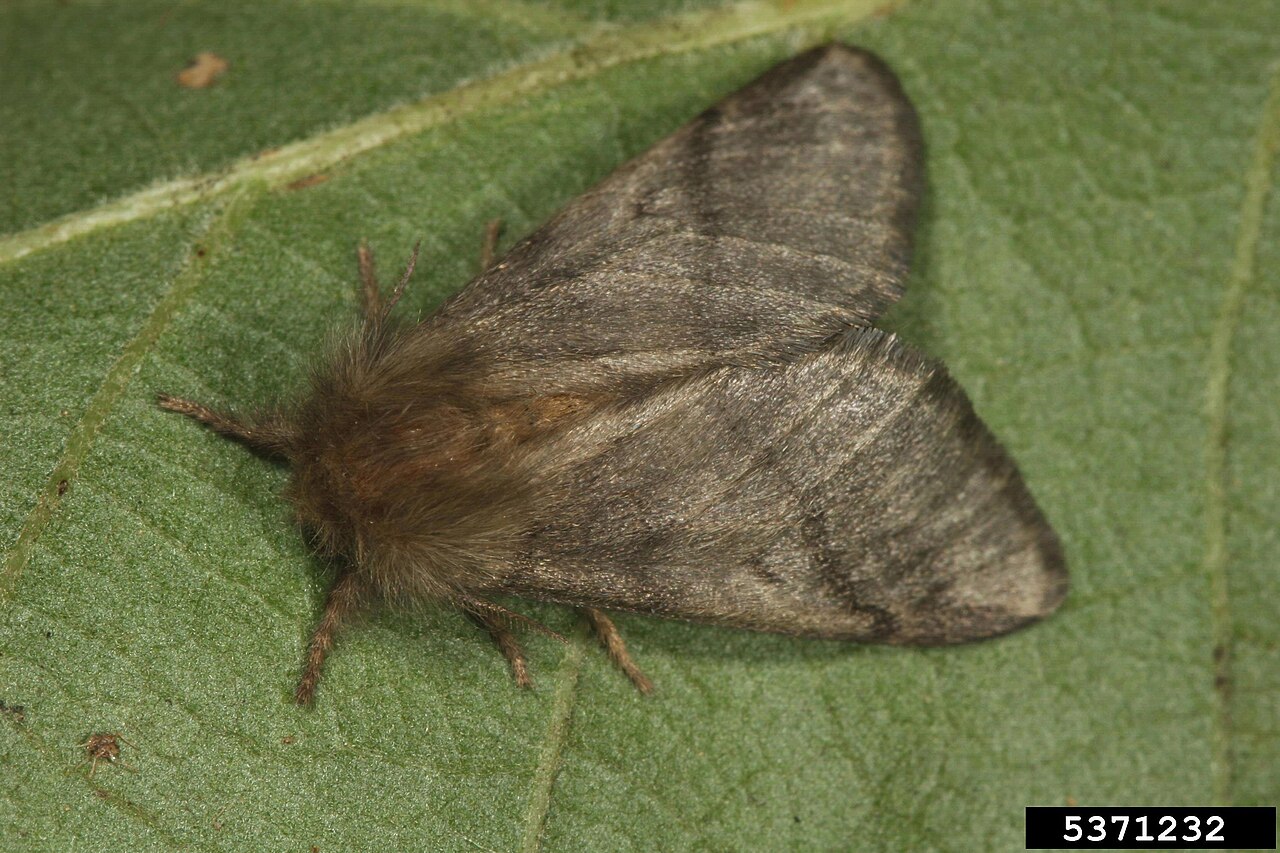
Finally, in **August or September**, the adult moths emerge from the pupae. These moths are greyish-brown and harmless, as they do not possess the urticating hairs. Their primary role is to mate and lay eggs, restarting the cycle.
Therefore, when asking "Eichenprozessionsspinner wann aktiv?", the critical answer for public safety is **from late April/early May through to late July/early August**, when the caterpillars are present, feeding, and constructing their hazardous nests. The nests themselves, however, can remain dangerous for years due to the persistence of the barbed hairs.
The Spreading Threat: Factors Boosting Eichenprozessionsspinner Activity
The increasing prevalence of the Eichenprozessionsspinner in Germany is not merely a natural phenomenon but a clear indicator of broader environmental changes. The reference context highlights how specific conditions are fueling this spread:
* **Climate Change and Favorable Weather Patterns**: Mild winters, such as those experienced in 2019 and 2020, play a significant role. They reduce the mortality rate of overwintering eggs, allowing more caterpillars to hatch successfully in spring. Coupled with dry, warm weather during spring and summer, these conditions create an ideal environment for larval development and survival. The caterpillars thrive in heat, and prolonged dry spells can stress their host trees, potentially making them more susceptible to infestation. To delve deeper into this connection, you might find our article on
Mild Winters & Dry Weather: Boosting Eichenprozessionsspinner Activity particularly insightful.
* **High Reproductive Capacity**: A single female moth can lay between 100 to 200 eggs in a season. This high reproductive rate, combined with favorable climatic conditions and reduced natural predators in some areas, allows for a rapid year-on-year increase in population density, leading to mass outbreaks.
* **Habitat Expansion**: While historically prevalent in southern Europe, the moth's habitat has expanded significantly northwards. Originally found in natural oak forests and mixed pine-oak woodlands, it has increasingly been sighted in urban and suburban areas. Single oak trees along roadsides, in parks, gardens, and even playgrounds, are now common sites for infestations. This brings the caterpillars into closer contact with human populations, intensifying the risk. All federal states in Germany have now reported sightings, with the Northeast and North Rhine-Westphalia being particularly affected.
The convergence of these factors creates a "perfect storm" for the Eichenprozessionsspinner to thrive, underscoring the urgency for public awareness and proactive management strategies.
Unmasking the Risk: The Peril of Processionary Hairs
The primary danger posed by the Eichenprozessionsspinner lies in its highly allergenic burning hairs. These aren't just ordinary hairs; they are microscopic, barbed structures filled with a potent nettle toxin called Thaumetopoein. A single caterpillar can possess hundreds of thousands of these hairs, and their impact is significant:
* **Direct Contact and Airborne Transmission**: The hairs are easily shed by the caterpillars, especially when disturbed, stressed, or during molting. They can become airborne, carried by the wind over considerable distances, or remain embedded in old nests and on the ground. This means that even without directly touching a caterpillar, individuals can be exposed to the hairs.
* **Range of Symptoms**:
* **Skin**: The most common reaction is an intensely itchy, red rash (dermatitis), often accompanied by small blisters or welts. The barbed nature of the hairs makes them difficult to remove and prolongs irritation.
* **Respiratory System**: Inhaling airborne hairs can irritate the mucous membranes, leading to coughing, sore throat, bronchitis-like symptoms, and in severe cases, asthma attacks or allergic reactions affecting the lungs.
* **Eyes**: If hairs come into contact with the eyes, they can cause conjunctivitis, inflammation, redness, and itching, potentially leading to more serious ocular issues if not addressed promptly.
* **General Allergic Reactions**: In susceptible individuals, exposure can trigger more systemic allergic responses, including fever, dizziness, and in rare, extreme cases, anaphylactic shock.
* **Pets**: Animals, particularly dogs, are also highly susceptible, often developing similar skin and respiratory issues, especially around the face and paws.
* **Persistent Threat**: A critical aspect of the risk is the persistence of the hairs. They can remain active and toxic in old nests and the surrounding environment for years, long after the caterpillars have moved on or completed their life cycle. This means areas previously infested remain hazardous, necessitating caution even out of season. To learn more about this prolonged threat, our article
Eichenprozessionsspinner: When Do Their Hairs Pose a Threat? offers further detail.
Given the severity and persistence of these risks, it is imperative to exercise extreme caution in areas known to be affected by the Eichenprozessionsspinner, especially during their active caterpillar phase.
Identifying and Managing Infestations: Practical Steps for Safety
Understanding when the Eichenprozessionsspinner is active is the first step; the next is knowing how to identify and manage potential infestations to ensure safety for yourself, your family, and your pets.
* **Visual Identification of Nests and Caterpillars**:
* **Nests**: Look for distinctive white, silken nests, often shaped like cobwebs, typically found on the trunks and branches of oak trees. These nests can vary in size from that of a tennis ball to a football and often contain numerous caterpillars, shed skins, and pupal cases.
* **Caterpillars**: The caterpillars themselves are greyish with long, whitish hairs. They have reddish-brown heads and often move in characteristic head-to-tail "processions," particularly when foraging or relocating.
* **Where to Exercise Caution**:
* **Oak-heavy Areas**: Be particularly vigilant in oak forests, parks, gardens, and along avenues where oak trees are present.
* **Urban and Suburban Spaces**: Due to their adaptability, infestations are increasingly common in urban green spaces, playgrounds, and even private gardens.
* **Safety Precautions for Individuals**:
* **Avoid Contact**: Never touch Eichenprozessionsspinner caterpillars or their nests. Maintain a safe distance.
* **Protective Clothing**: If you must enter an infested area (e.g., for work or recreational activities where a path passes near an infested tree), wear long-sleeved clothing, long trousers, gloves, and protective eyewear.
* **Shower and Wash**: After being in a potentially infested area, shower thoroughly and wash your clothes at a high temperature to remove any clinging hairs.
* **Keep Pets Leashed**: Ensure pets are kept on a leash in affected areas to prevent them from sniffing or playing near infested trees.
* **What to Do in Case of Exposure**:
* **Skin Contact**: Immediately rinse the affected skin thoroughly with water and mild soap. Avoid rubbing, as this can embed the hairs deeper.
* **Eye Contact**: Flush eyes with plenty of water for several minutes.
* **Inhalation**: Move to fresh air immediately.
* **Seek Medical Attention**: If symptoms persist, worsen, or if you experience severe allergic reactions (e.g., breathing difficulties, widespread rash), consult a doctor or veterinarian without delay.
* **Reporting and Professional Removal**:
* **Do NOT Attempt Removal Yourself**: Attempting to remove nests or caterpillars without proper training and equipment is highly dangerous and can worsen the situation by dispersing more hairs.
* **Report Sightings**: If you spot Eichenprozessionsspinner nests on public land, report them to your local municipal authority, forestry office, or relevant environmental department. For private property, contact a certified pest control professional or specialized tree care company. They possess the necessary protective gear and equipment (e.g., vacuum extractors, specialized sprays) to safely remove infestations.
Vigilance and prompt, professional action are key to managing the risks posed by the Eichenprozessionsspinner and ensuring public safety during its active seasons.
Conclusion: Staying Vigilant During Eichenprozessionsspinner Season
The Eichenprozessionsspinner represents a significant and growing environmental health challenge, particularly across Germany. With its life cycle heavily influenced by evolving climate patterns, understanding "Eichenprozessionsspinner wann aktiv" is no longer just a curiosity but a crucial piece of knowledge for public safety. From the hatching of eggs in late spring to the peak activity of their hazardous, hair-laden caterpillars through mid-summer, the risk window is clear. The persistence of their toxic hairs in nests and the environment further underscores the need for continuous vigilance, even outside the primary caterpillar season. By recognizing the signs of infestation, adhering to strict safety protocols, and entrusting removal to professionals, we can collectively mitigate the dangers posed by these dangerous caterpillars and protect ourselves, our communities, and our natural spaces.